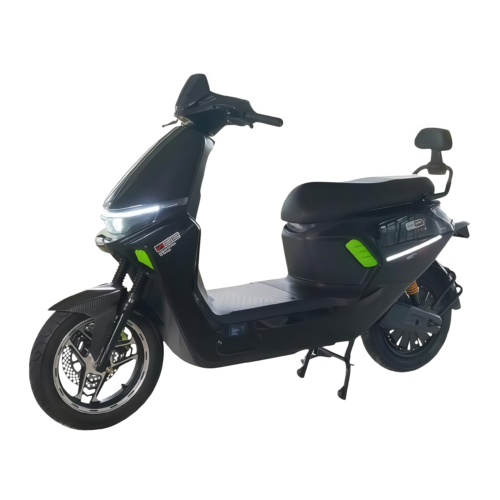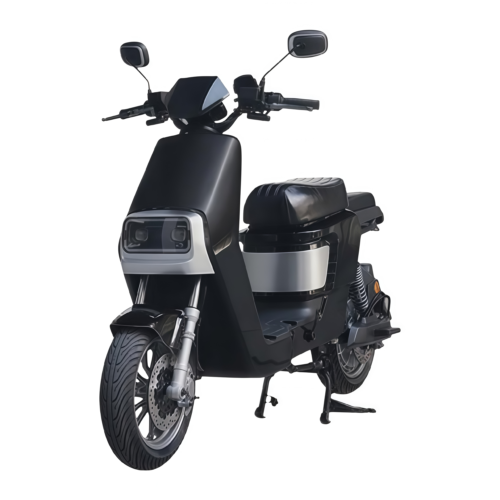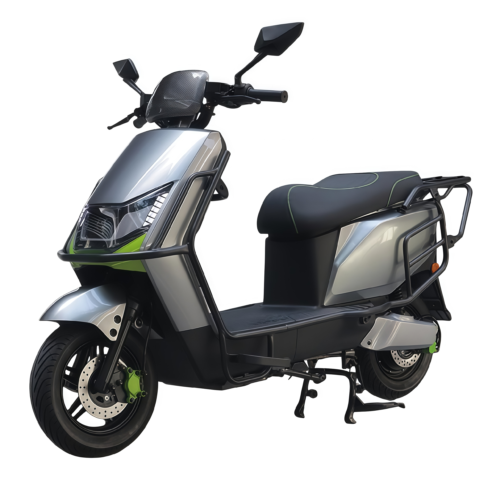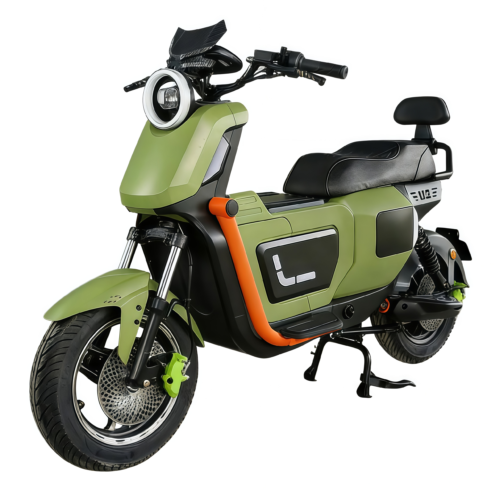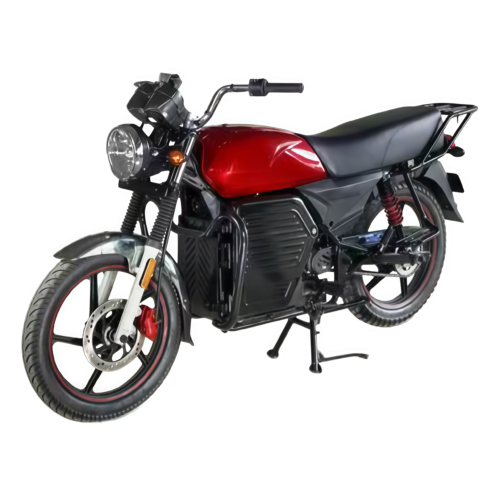
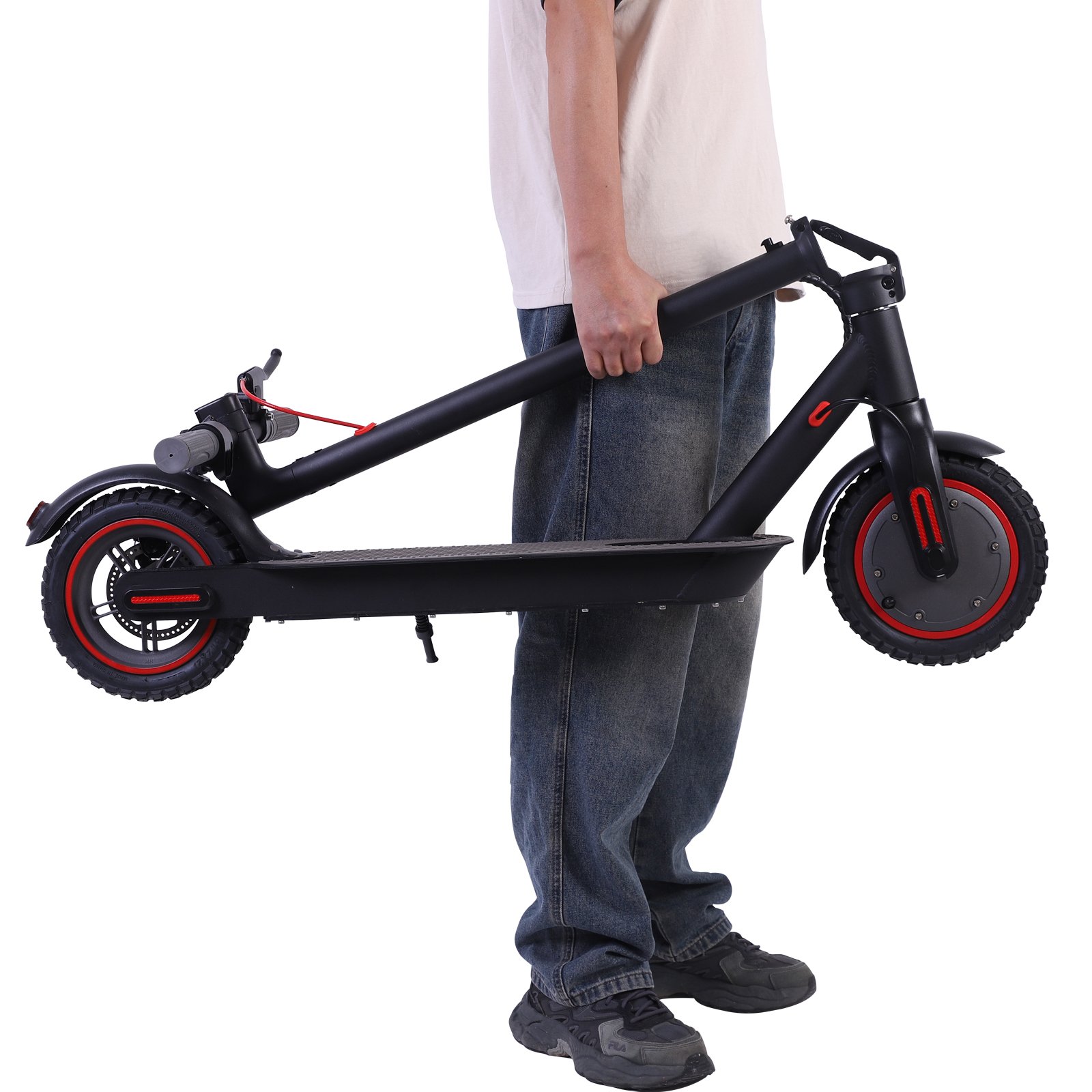
Electric scooters have emerged as a pivotal micro-mobility solution in Europe and North America, with steady market growth driven by policy support, urbanization, and changing consumer habits. In Europe, strict eco-regulations, low-emission zones in cities like Paris and Berlin, and CE safety certifications propel the demand for premium, connected models. Shared electric scooters are particularly popular, with Brussels alone boasting over 18,000 units, as they seamlessly integrate with public transport for short urban trips.
North America’s market leans into versatility, with adoption rising for campus commutes, off-road leisure, and last-mile delivery services, alongside urban use. Core usage scenarios across both continents include 1–8 km urban commutes (foldable designs for easy storage), off-road adventures (popular in North America’s trails), delivery fleets (agile and cost-effective), and campus/residential trips. A key trend is stricter regulation—Europe limits speed to 20–25 km/h, while North America uses tiered power rules, and both regions are enhancing safety norms. The market is shifting toward smarter, more durable models, aligning with sustainability goals and user demand for convenience. This article covers the core trends shaping the industry and how e-scooters fit diverse daily and leisure needs.
Keywords: electric scooters Europe North America, e-scooter market trends, micro-mobility usage scenarios, performance e-scooter, cool rider demands