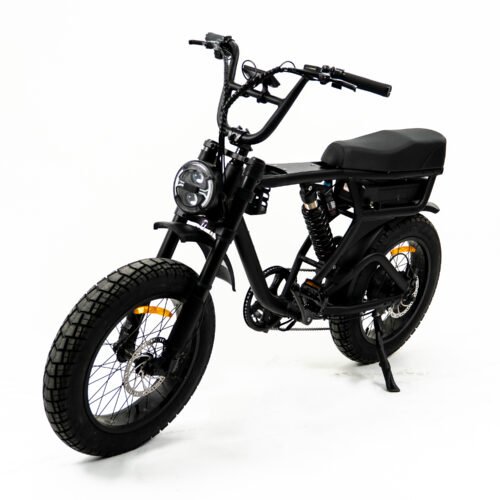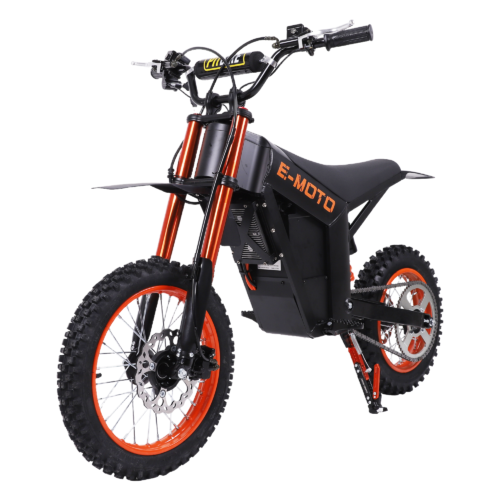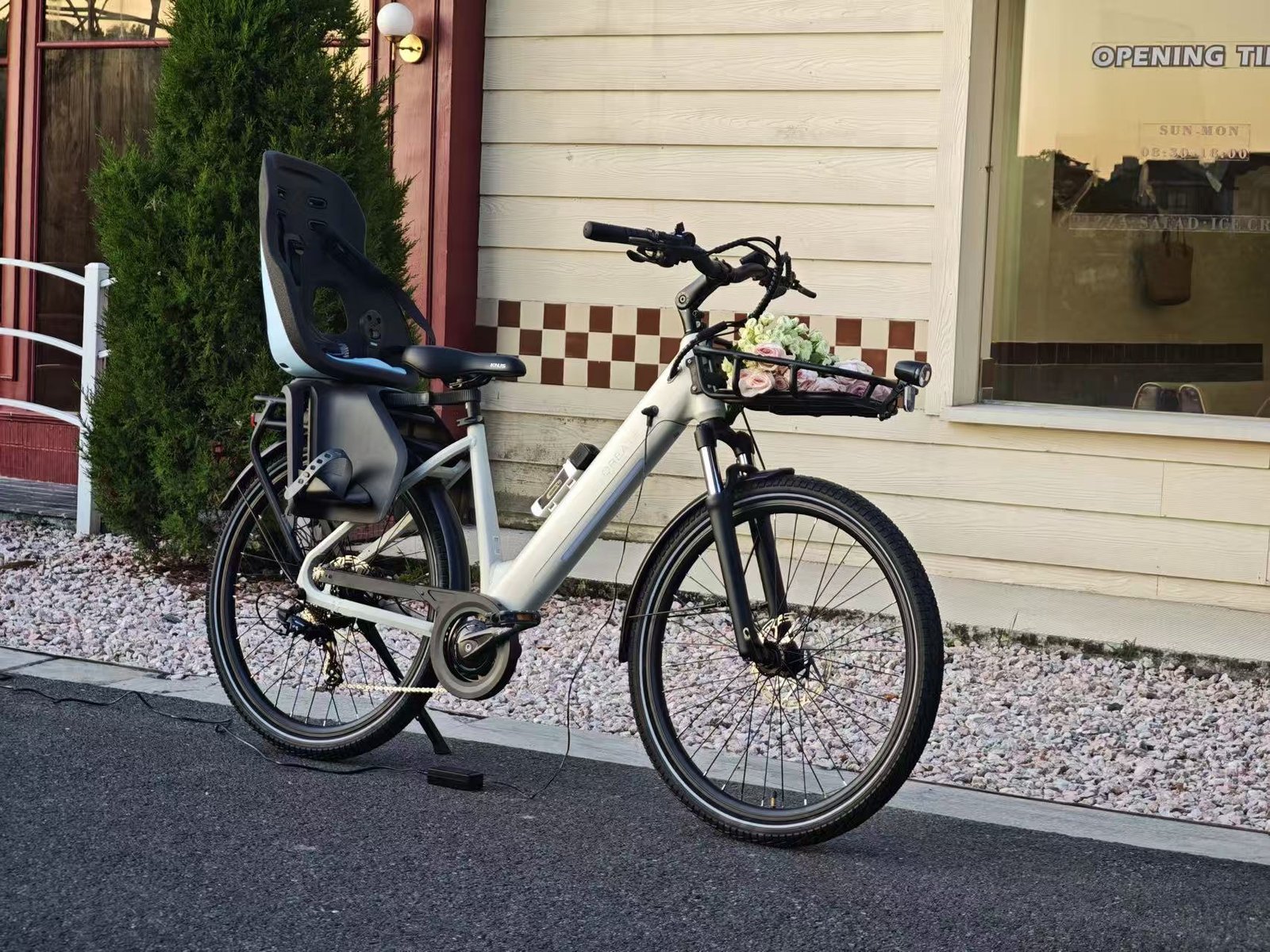
Urban electric bikes have become an indispensable part of daily mobility in Europe and North America, with the market growing steadily driven by eco-friendly policies, improved urban riding infrastructure, and shifting consumer lifestyles. As a core segment of micro-mobility, urban e-bikes are no longer just basic commuter tools, but also a combination of practicality and performance, catering to both daily users and cool-ride enthusiasts.
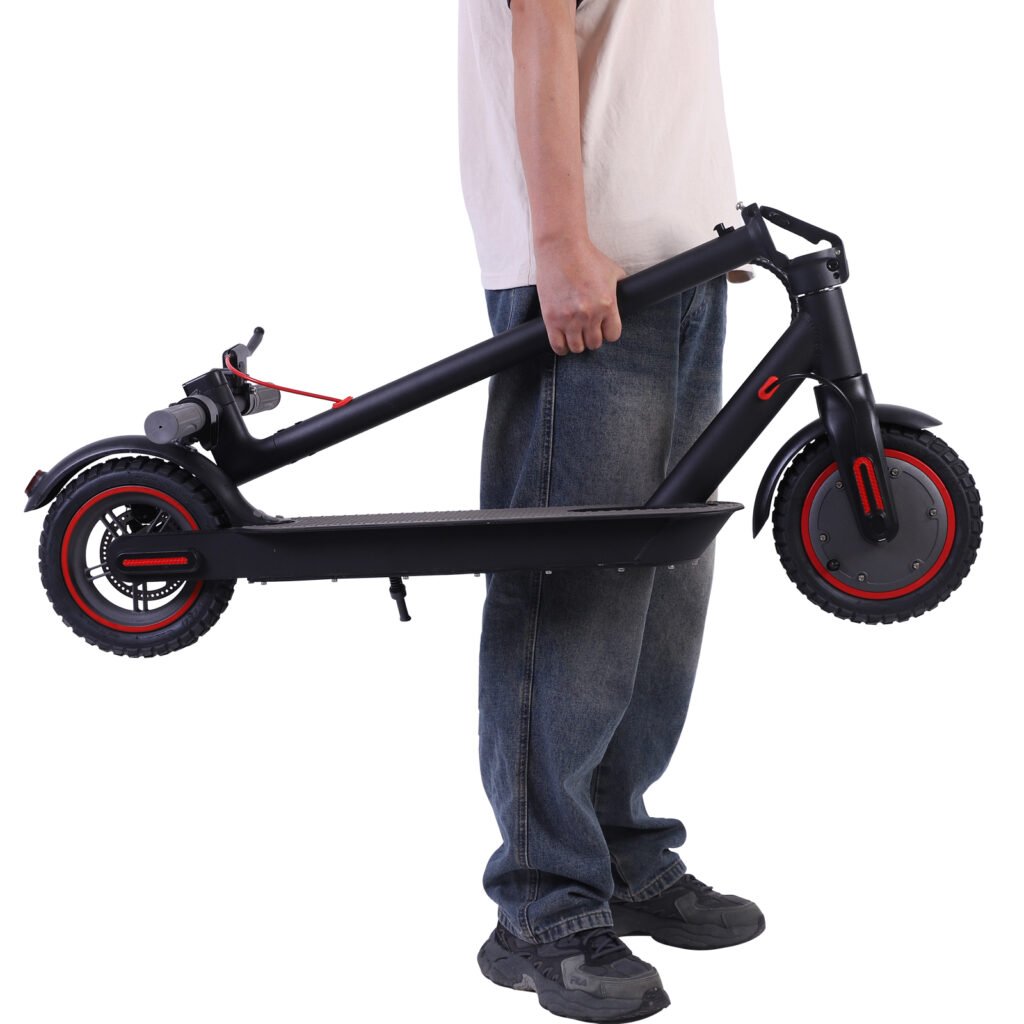
In Europe, strict low-emission zones in cities like Berlin, Amsterdam and Paris, along with generous government subsidies, fuel the demand for premium, compact urban e-bikes that comply with CE certifications. Step-through frames (easy to get on and off) and foldable designs are popular, seamlessly integrating with public transport for short trips. North America’s market focuses on versatility, with urban e-bikes widely used for campus commutes, short-distance travel, and light delivery, alongside leisure rides on urban trails.
Core usage scenarios include daily urban commutes (1–10 km), transit integration, and weekend leisure rides. For cool-ride enthusiasts, performance is a top priority: they demand powerful mid-drive motors (80–105N·m torque), 100+ km range, lightweight aluminum or carbon fiber frames, and smart features like app connectivity and customizable riding modes. They seek a balance of speed, agility and style, turning urban rides into a thrilling experience while maintaining practicality.
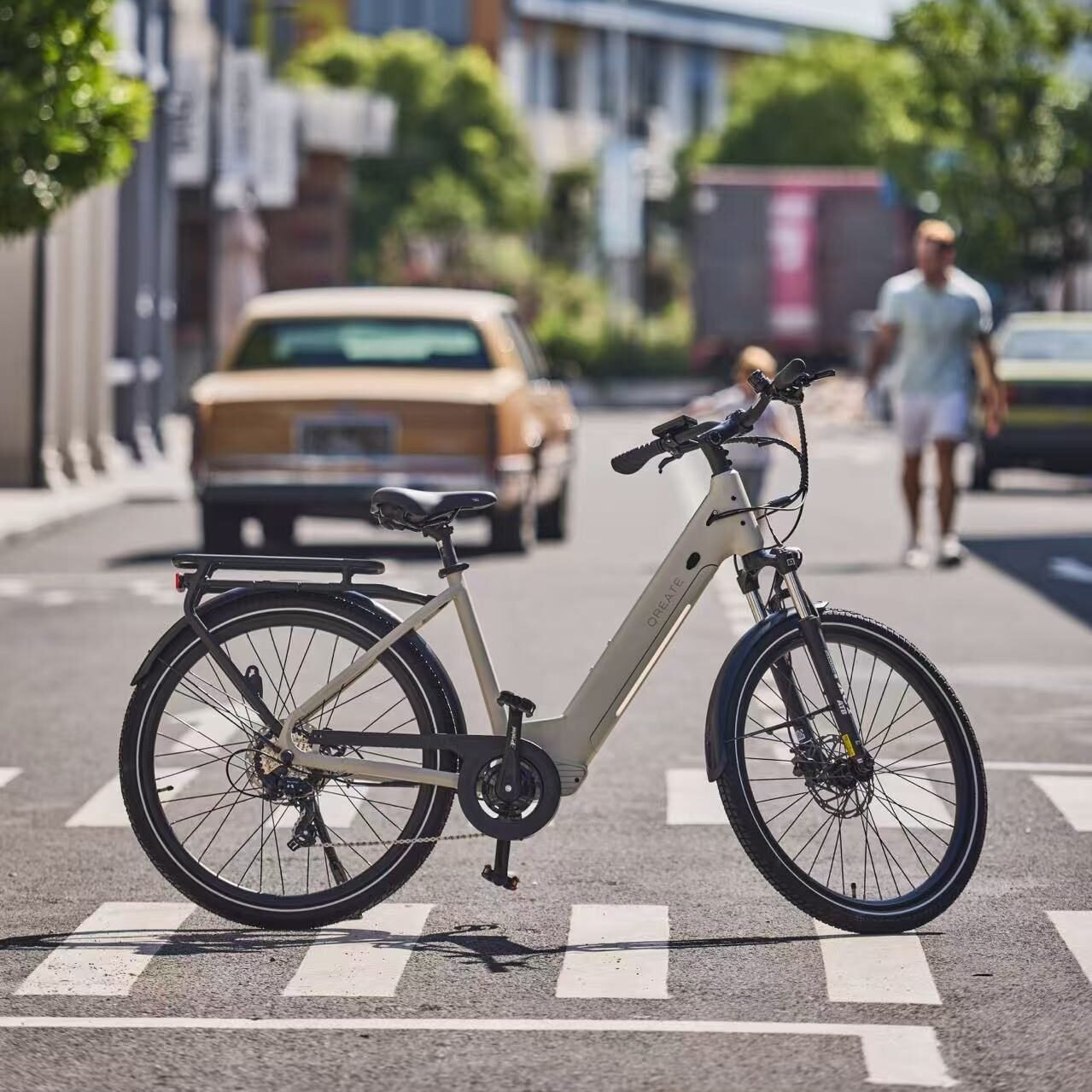

The market is moving toward intelligence, sustainability and scenario customization, with stricter safety regulations and smart tech integration becoming mainstream. Urban e-bikes are reshaping urban mobility in Europe and North America, driven by both policy support and enthusiast demands for better performance.
Keywords: urban e-bikes Europe North America, urban electric bike market trends, urban e-bike usage scenarios, performance urban e-bikes, cool ride enthusiast e-bike demands